U.S. Army Chemical Materials ActivityU.S. Army Chemical Materials ActivityU.S. Army Chemical Materials ActivityU.S. Army Chemical Materials Activity
  • Home
  • About
  • History
  • What We Do
    • Comply
    • Destroy
    • Store
  • Resources
  • Contact

Explosive Destruction System (EDS)

  • Response
  • Packaging
  • Assessment
  • RCWM Storage
  • Analysis
  • Project Planning
  • Destruction
  • Explosive Destruction System (EDS)
  • Waste Disposal
Home Recovered Chemical Materiel Directorate Explosive Destruction System (EDS)

The Explosive Destruction System (EDS) provides on-site treatment of chemical warfare materiel in a safe, environmentally compliant manner. The EDS is an innovative alternative to open detonation of explosively configured munitions through its ability to:

  • Use cutting charges to access chemical munitions, eliminating their explosive capacity before neutralizing the chemical agent
  • Contain all the blast, vapor and fragments from the process in its main component, a sealed, stainless steel vessel
  • Support both planned and quick-response munition recovery operations

View the EDS Fact Sheet
Explosive Destruction System

1) Fragment Suppression System

FSS
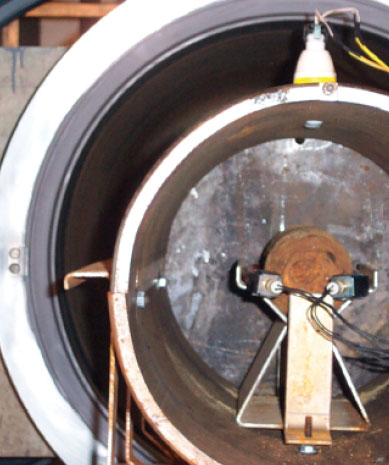
The Fragment Suppression System (FSS) aligns munitions and explosive charges during treatment operations, while protecting the EDS’ interior from fragments.
Fragment Suppression System (FSS)

AFSS

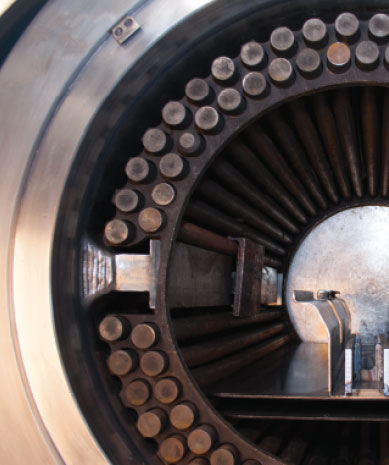
The Advanced Fragment Suppression System (AFSS), made up of individual rods, protects the vessel during destruction and can be used indefinitely with damaged rods individually replaced.

Advanced Fragment Suppression System (AFSS)

2) Liquid Sample Line Port

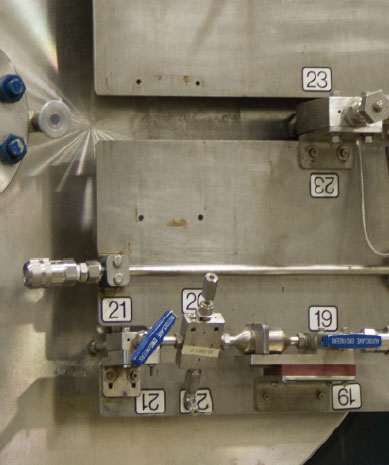
To ensure the safety of operators, communities and the environment, a liquid sample of the vessel interior may be collected prior to opening the vessel door through one of five drilled-through machined ports to analyze waste results.
Liquid Sample Line Port

3) Containment Vessel Subsystem

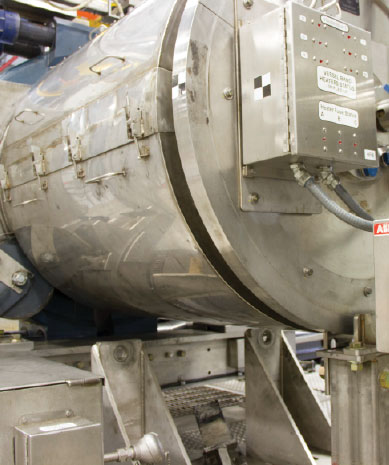
The vessel contains the explosive shock, fragments and chemical agent/industrial chemical fill during the munition opening process, and serves as a reactor vessel for the treatment of the fill.
Containment Vessel Subsystem

Explosive Destruction System: How it Works


https://www.cma.army.mil/wp-content/uploads/EDS-HowItWorks.mp4

RCMD’s Capabilities

  • Response
  • Packaging
  • Assessment
  • RCWM Storage
  • Analysis
  • Destruction
  • Waste Disposal

CMA Quick Links

  • Homepage
  • About
  • History
  • What We Do
  • Resources
  • Contact

Army Links

  • Army FAQ
  • Spouse Employment Information
  • Accessibility/Section 508
  • Privacy & Security
  • No FEAR Act
  • FOIA
  • AKO
  • Home
  • About
  • History
  • What We Do
    • Comply
    • Destroy
    • Store
  • Resources
  • Contact
U.S. Army Chemical Materials Activity
Mountain

The mountain has been an element that has graced many of the past depot emblems, representing Pike’s Peak.

Missile

The Pershing Missile in the center represents one of the most prominent missions of the depot in the 1980s.

Hawk

The hawk represents native depot wildlife, the present and future mission of the environmental programs, and was also the name of one of the missile systems supplied by the depot during its missile mission in the 1950s and 60s.

Insignias

The branch insignia of both the U.S. Army Chemical Corps and Ordnance Corps represent the depot’s command structure through its history as both an ordnance and a chemical depot.

Colors & Text

The colors cobalt blue and yellow gold are representative of the U.S. Army Chemical Corps. “Pueblo Depot” is representative of the installation throughout its history. “1942” is the date of establishment. “Safety” and “Service” capture the continued and historical depot missions.

Motto

The motto translates to “A Common Good.”

Sun

The rising sun denotes the dawning of a new day without chemical weapons and the organization’s mission to safely destroy chemical weapons stockpile, thus changing the future of modern warfare.

Wheat

The three stalks of wheat symbolize the harvest of hope that has been secured through industry, cultivation and abundance. It also refers to the unit’s chemical/biological, smoke/obscurant and support to Homeland security industrial base missions at Pine Bluff Arsenal.

Eagle

The double-headed eagle suggests the two CMA methods for stockpile chemical weapons disposal, incineration and neutralization. These methods’ roots are traced back to Project Eagle I (incinerating of mustard agents) and Eagle II (neutralizing nerve agents).

Olive Branch

The olive branch signifies peace and the Activity’s commitment to abide by the stipulations of the Chemical Weapons Convention Treaty and assisting other nations.

Octagon

The octagon alludes to the eight original chemical weapons stockpile storage sites in the United States.