Resources
- Chemical Materials Activity Overview
- Center for Treaty Implementation and Compliance
- Chemical Accountability Management Information Network
- Chemical Stockpile Emergency Preparedness Program
- Milestones in U.S Chemical Weapons History
- CMA Distinctive Unit Insignia
- Blue Grass Chemical Activity Overview
- CMA-West
- Pueblo Chemical Depot Completes Chemical Stockpile Storage Mission
- Recovered Chemical Materiel Directorate CMD Overview
- What Are Chemical Agents and Chemical Weapons
- What is Recovered Chemical Warfare Materiel (RCWM)
- RCMD Lifecycle of Deployment
- Mobile Munitions Assessment System (MMAS)
- Multiple Round Container (MRC)
- Universal Munition Storage Container (UMSC)
- Digital Radiography and Computed Tomography System (DRCT)
- Portable Isotopic Neutron Spectroscopy (PINS)
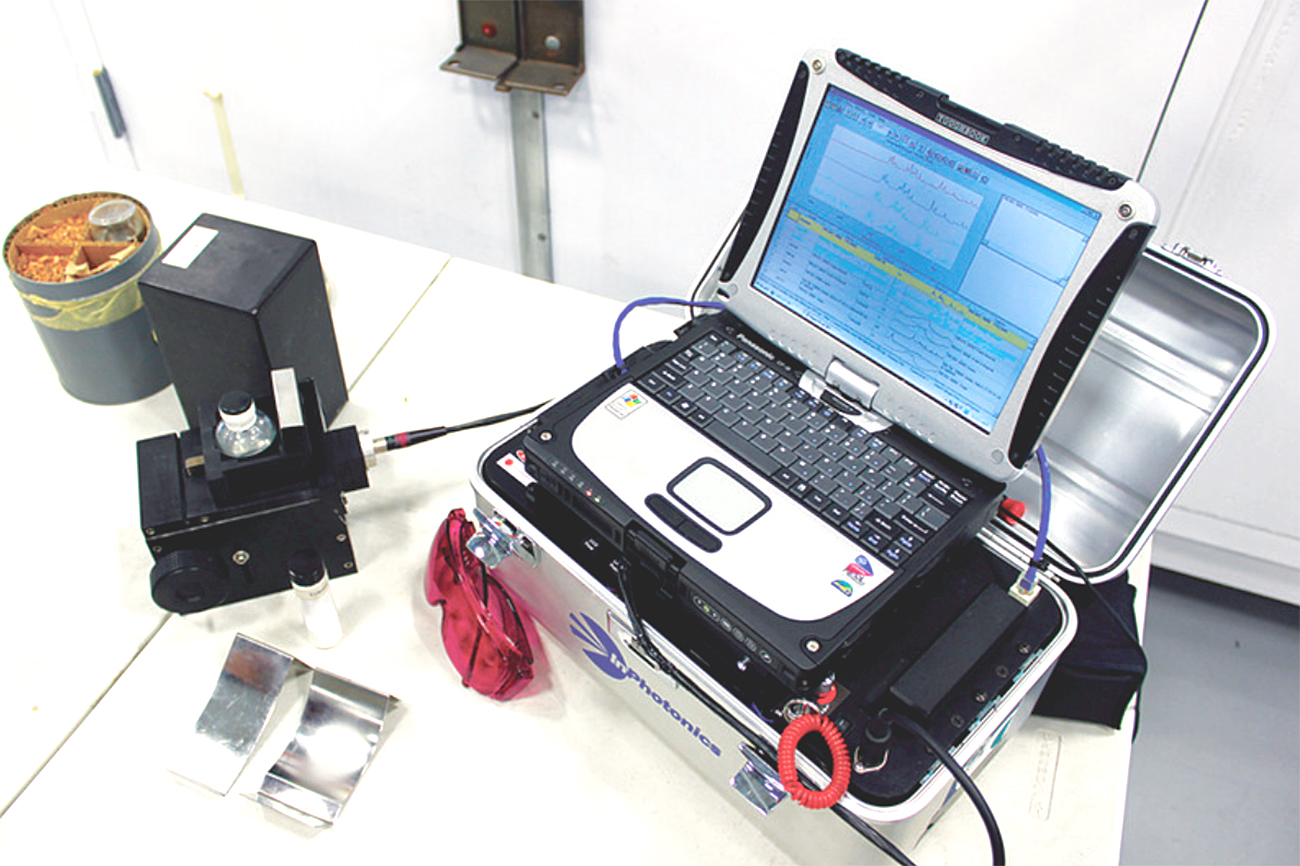
- Raman Spectrometer
- Non-Intrusive Threat Detection System (NITDS)
- High Energy X-ray Generator
- Interim Holding Facility (IHF)
- Materiel Assessment Review Board (MARB)
- Explosive Destruction System (EDS) Overview
- Single CAIS Access and Neutralization System (SCANS)
- Large Item Transportable Access and Neutralization System (LITANS)
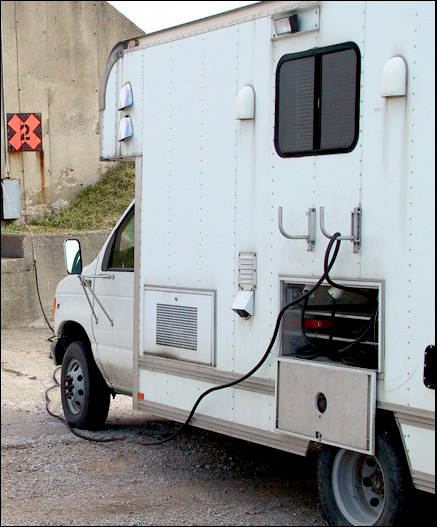
- Mobile Command Post
- Managing Secondary Waste
- RCMD Mission Safety
- RCMD Operations at Dover Air Force Base
- RCMD Operations at Pine Bluff Arsenal (PBA)
- RCMD Operations at Redstone Arsenal
- Former Production Facilities Demolition
- Chemical Weapons Destruction Expertise
- Sulfur Mustard
- Chemical Agent Identification Sets
- Chloropicrin
- Nerve Agent VX
- Nerve Agent GB (Sarin)
- Phosgene Carbonyl Chloride
- DF (Methylphosphonic Difluoride)
- QL (Diisopropyl Aminoethylmethyl Phosphonite)
- Chemical Materials Activity Overview
- Center for Treaty Implementation and Compliance
- Chemical Accountability Management Information Network
- Redstone Chemical Activity
- Chemical Stockpile Emergency Preparedness Program
- Milestones in U.S Chemical Weapons History
- CMA Distinctive Unit Insignia
- Blue Grass Chemical Activity Overview
- CMA-West
- Pueblo Chemical Depot Completes Chemical Stockpile Storage Mission
- Recovered Chemical Materiel Directorate CMD Overview
- What Are Chemical Agents and Chemical Weapons
- What is Recovered Chemical Warfare Materiel (RCWM)
- RCMD Lifecycle of Deployment
- Mobile Munitions Assessment System (MMAS)
- Multiple Round Container (MRC)
- Universal Munition Storage Container (UMSC)
- Digital Radiography and Computed Tomography System (DRCT)
- Portable Isotopic Neutron Spectroscopy (PINS)
- Raman Spectrometer
- Non-Intrusive Threat Detection System (NITDS)
- High Energy X-ray Generator
- Interim Holding Facility (IHF)
- Materiel Assessment Review Board (MARB)
- Explosive Destruction System (EDS) Overview
- Single CAIS Access and Neutralization System (SCANS)
- Large Item Transportable Access and Neutralization System (LITANS)
- Mobile Command Post
- Managing Secondary Waste
- RCMD Mission Safety
- RCMD Operations at Dover Air Force Base
- RCMD Operations at Pine Bluff Arsenal (PBA)
- RCMD Operations at Redstone Arsenal
- Former Production Facilities Demolition
- Chemical Weapons Destruction Expertise
- Sulfur Mustard
- Chemical Agent Identification Sets
- Chloropicrin
- Nerve Agent VX
- Nerve Agent GB (Sarin)
- Phosgene Carbonyl Chloride
- DF (Methylphosphonic Difluoride)
- QL (Diisopropyl Aminoethylmethyl Phosphonite)
CMA Photo Gallery






















CMA Video Gallery

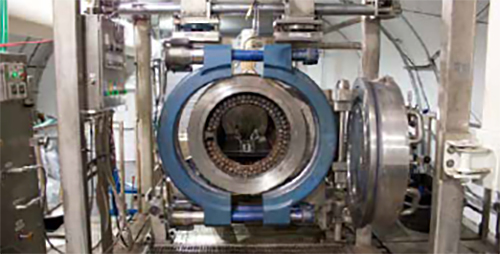
History of the Explosive Destruction System
The Explosive Destruction System was developed more than 20 years ago to provide on-site treatment of chemical warfare materiel in a safe, environmentally sound manner. As an innovative alternative to the open detonation of explosively configured munitions, the EDS supports both planned and quick-response munition recovery operations.
(4:16 minutes)
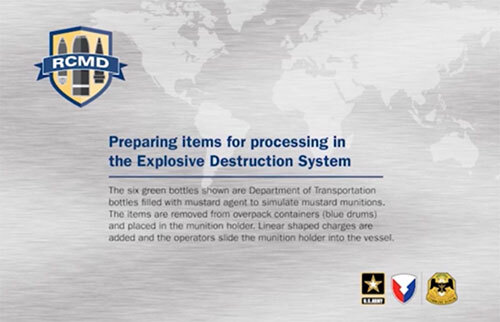
RCMD Operations for Pine Bluff Explosive System (PBEDS)
PBEDS Campaign 1 operated at Pine Bluff Arsenal, Arkansas, from June 2006-April 2010, marking the largest recovered chemical warfare materiel inventory in the nation and meeting a U.S. treaty milestone.
(5:34 minutes)
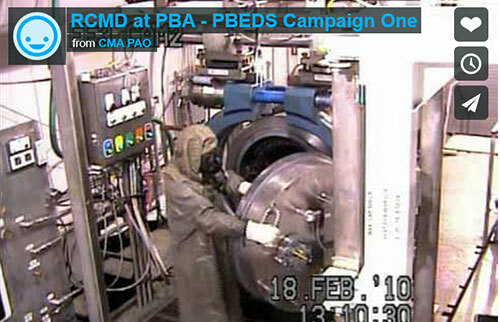
Preparing Items for Processing in the EDS
The Recovered Chemical Materiel Directorate tested the destruction of six items at a time in the EDS, continuing updates to the system that ensure the U.S. Army’s capability to destroy recovered chemical warfare materiel.
(3:00 minutes)

All In This Together
During the start of the COVID-19 pandemic in 2020, U.S. Army Chemical Materials Activity (CMA) personnel received a tool to help them work safely thanks to its partners at Pine Bluff Arsenal (PBA), Arkansas. PBA began producing cloth face coverings within 48 hours of receiving the U.S. Secretary of Defense memo regarding use of CFC on military installations. PBA sent masks to CMA Headquarters at Aberdeen Proving Ground, Maryland, and its sites, Blue Grass Chemical Activity, Kentucky, and Pueblo Chemical Depot, Colorado.
(1:37 minutes)
Best of CMA 2020 Highlight
A look back at some of the U.S. Army Chemical Materials Activity’s top moments of 2020.
(3:44 minutes)
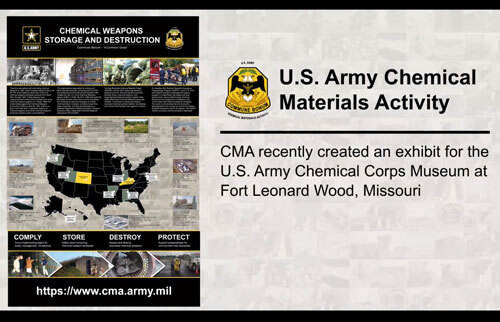
Chemical Corps Museum highlights CMA role in chemical weapons history
An exhibit at the U.S. Army Chemical Corps Museum at Fort Leonard Wood, Missouri, features the U.S. Army Chemical Materials Activity (CMA) role in chemical weapons history. The exhibit highlights CMA’s success in storing and destroying munitions at seven chemical stockpile sites, and its continuing mission to store the two remaining U.S. chemical stockpiles, protect communities surrounding the sites, assess and destroy recovered chemical warfare materiel, and comply with the Chemical Weapons Convention (CWC) treaty. CMA worked with leadership and subject matter experts to develop an exhibit that reflected CMA’s significant role in chemical weapons history.
(1:00 minutes)
CMA RCMD STEM Day
The U.S. Army Chemical Materials Activity (CMA) takes pride in mentoring tomorrow’s leaders. Here’s a look at CMA’s Recovered Chemical Materiel Directorate participating at a local Science, Technology, Engineering, and Math Day event at Edgewood Elementary School in Maryland.
(0:57 minutes)
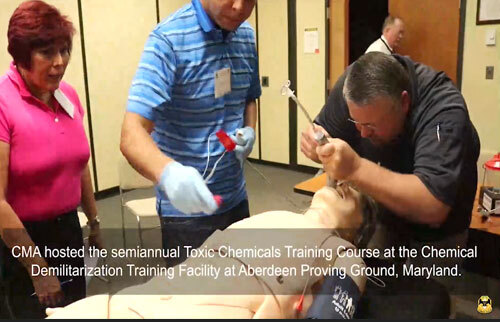
Toxic Chemical Training Course
The U.S. Army Chemical Materials Activity (CMA) and Program Executive Office, Assembled Chemical Weapons Alternatives (PEO ACWA) hosted the Toxic Chemicals Training Course for medical responders working in Chemical Stockpile Emergency Preparedness Program communities around Pueblo Chemical Depot and Blue Grass Chemical Activity. The training is a partnership effort with the U.S. Army Public Health Center at Aberdeen Proving Ground, Maryland.
(0:30 minutes)

Happy 245th Birthday to the United States Army!
Check out members from Team U.S. Army Chemical Materials Activity who proudly continue the tradition of military legacy.
(3:04 minutes)
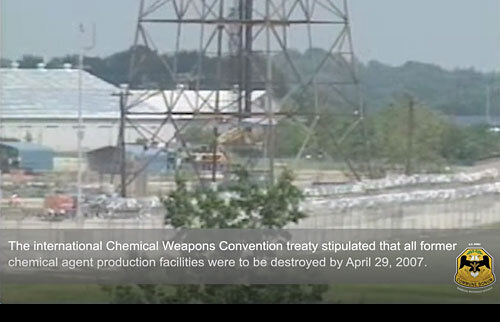
Newport Flare Tower
The International Chemical Weapons Convention treaty stipulated destruction of all former chemical agent production facilities by April 29, 2007. The CMA Non-Stockpile Chemical Materiel Program – now known as the Recovered Chemical Materiel Directorate – completed this mission in 2006. A highlight of the demolition project was the removal of the 400-foot 210-ton flare tower at Newport Chemical Depot, Indiana, in 2003.
(0:52 minutes)
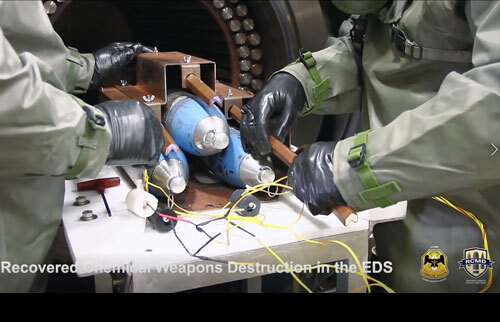
EDS Operation
The U.S. Army Chemical Materials Activity Recovered Chemical Materiel Directorate (RCMD) developed the Explosive Destruction System (EDS) concept in the 1990s. The EDS is RCMD’s primary tool for safe, on-site destruction of recovered chemical warfare materiel in an environmentally sound manner, supporting both planned and quick-response operations.
(1:13 minutes)
